
Swimming: How to Improve Technique, Manage Effort, and Train More Effectively
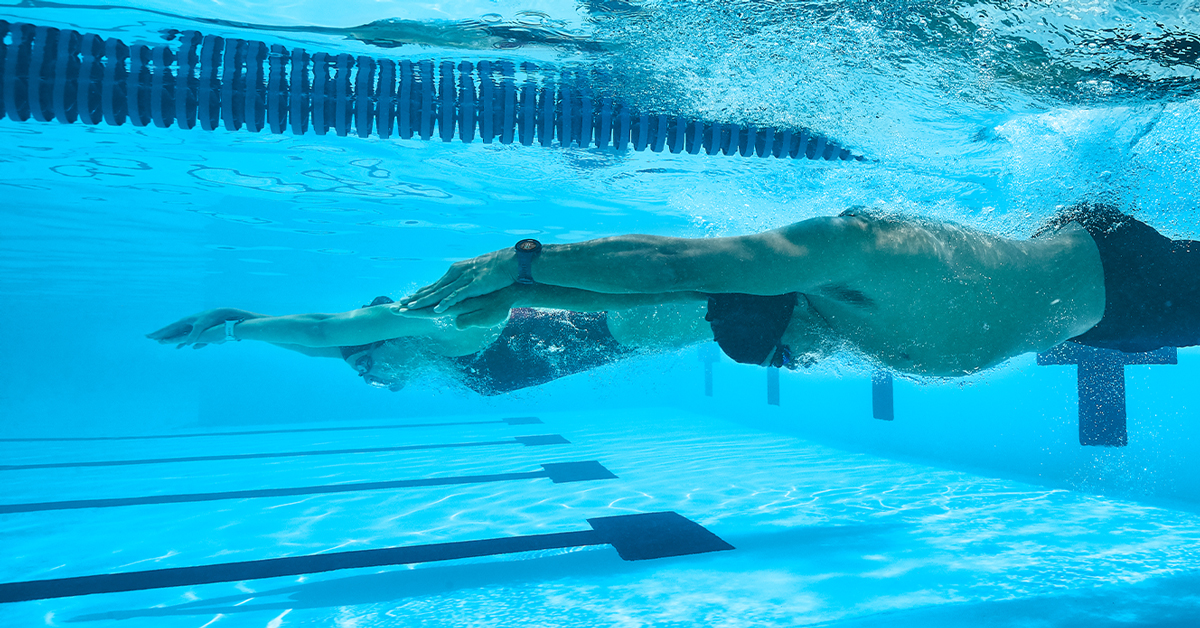
Many people see swimming simply as a healthy physical activity, but in reality, it is a highly technical form of training. If movement, breathing, and effort are not managed correctly, even regular sessions may not lead to meaningful progress. But once you begin to understand how your body works in the water, your swimming technique, endurance, and overall performance can improve much faster.
One of the biggest mistakes in swimming training is focusing only on arm and leg movement. In reality, effective swimming begins with breathing. If your breathing is rushed or inconsistent, your body enters a stressful state much sooner, and tiredness builds quickly. That is why anyone searching for how to swim properly should pay attention to breathing rhythm before trying to increase speed.
Body position is another key factor. When the body stays balanced and horizontal in the water, resistance is reduced, and movement becomes more efficient. This is where swimming efficiency becomes important: progress is not always about moving more, but about moving better. In many cases, what feels like a lack of strength or endurance is actually poor alignment or unnecessary tension in the upper body.
If you swim in a pool, it helps to focus not only on distance, but on how that distance is covered. Over time, it becomes important to see whether you can maintain the same pace or whether you start too fast and lose control. This is what turns ordinary swimming into a structured swimming workout plan. And if you want to see real progress, tracking your training data becomes essential - how long you swim, at what pace, and how your body responds afterward.
This is where technology becomes especially useful. A reliable smartwatch for swimming or a well-designed sports watch can do much more than count laps. It helps you get a clearer picture of your training, improve your swimming technique more effectively, build endurance, and support your overall fitness. For example, when using a Garmin sports smartwatch during workouts, especially models from the Garmin Forerunner, Venu, and Fenix series, you can track important swimming data such as rhythm, heart rate, post-workout recovery, overall training level, and other key metrics. This matters not only for performance-focused swimmers but also for people who see swimming for health as an important part of their lifestyle and want that training to be effective and measurable.
Open-water swimming brings even more variables. In that setting, technique is still important, but so are direction, environmental awareness, and energy control. If you are interested in open water swimming, it is important to understand that it feels very different from pool training. The same movement can demand more energy, and fatigue can build faster. That is why a GPS watch for swimming can be especially valuable for those who want more confidence and better control in open water.
Your performance in the water also depends heavily on your condition before the workout. Poor sleep, a demanding day, or a high stress level can change the way your body handles the same session. This is where health monitoring becomes truly useful, helping you understand whether your body is ready for a harder effort or needs a lighter session and more recovery.
In the end, swimming brings the best results when it is not reduced to time spent in the water alone. When you understand your body’s response, work on your swimming technique, follow your training data, and use the right tools, each workout becomes more meaningful. That is why choosing a smartwatch for swimming today is not just about technology — it is about training with more awareness and better results.